

Introduction:
The use of stone in construction dates back centuries, with its durability and timeless appeal making it a popular choice for various architectural styles. One such style that has gained prominence in recent years is farmhouse cultured stone. This rustic yet elegant design aesthetic combines the warmth and charm of traditional farmhouses with the durability and versatility of cultured stone, resulting in a look that is both classic and contemporary.
In this comprehensive guide, we will explore the origins of farmhouse cultured stone, its key features and benefits, popular applications, installation techniques, maintenance requirements, and design tips to help you incorporate this stunning material into your own home or project.
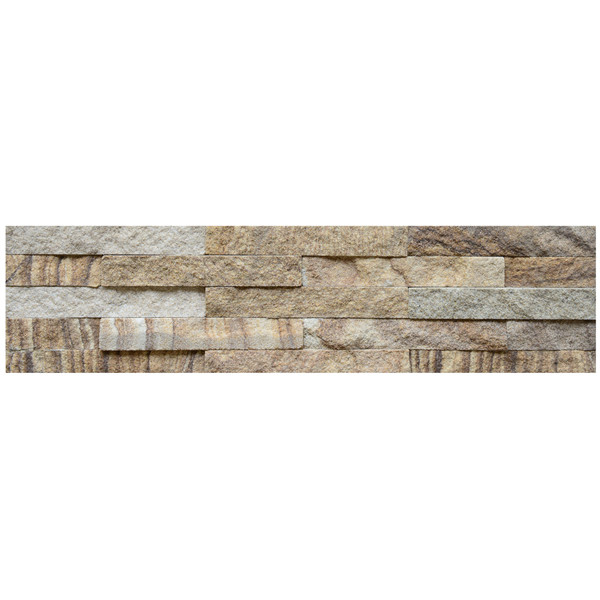
Origins of Farmhouse Cultured Stone:
Farmhouse cultured stone draws inspiration from the rustic charm of traditional farmhouses, which were typically constructed using locally sourced materials such as fieldstone, limestone, and granite. These natural materials imbued farmhouses with a sense of warmth and history, reflecting the agricultural heritage of the surrounding landscape.
In modern construction, the use of natural stone can be costly and logistically challenging due to factors such as availability, weight, and installation requirements. Cultured stone, also known as manufactured stone or faux stone, emerged as a practical alternative that replicates the look and feel of natural stone while offering greater affordability, consistency, and ease of installation.
The farmhouse style, with its emphasis on simplicity, comfort, and functionality, has seen a resurgence in popularity in recent years, as homeowners and designers seek to create spaces that evoke a sense of nostalgia and authenticity. Farmhouse cultured stone embodies this aesthetic by combining the rugged beauty of natural stone with the convenience and versatility of modern manufacturing techniques.
Key Features and Benefits:
Farmhouse cultured stone offers a range of features and benefits that make it an attractive choice for both interior and exterior applications. Some of the key advantages of farmhouse cultured stone include:
1. Authentic Appearance: Farmhouse cultured stone is designed to mimic the natural variation and texture of real stone, providing a rich and organic look that adds character and warmth to any space.
2. Durability: Cultured stone is made from high-quality materials such as cement, aggregates, and iron oxide pigments, making it resistant to damage from moisture, UV exposure, and temperature fluctuations.
3. Lightweight: Unlike natural stone, which can be heavy and cumbersome to transport and install, farmhouse cultured stone is lightweight and easy to work with, reducing labor costs and installation time.
4. Versatility: Farmhouse cultured stone comes in a wide range of colors, shapes, and sizes, allowing for endless design possibilities. It can be used to create accent walls, fireplaces, facades, and other architectural features both indoors and outdoors.
5. Cost-Effective: Cultured stone is generally more affordable than natural stone, making it a budget-friendly option for homeowners and builders looking to achieve the look of stone without breaking the bank.
Popular Applications:
Farmhouse cultured stone can be used in a variety of applications to enhance the aesthetic appeal and functionality of a space. https://www.fs-slate.com/ledgestone/ of farmhouse cultured stone include:
1. Exterior Facades: Cultured stone can be used to create stunning facades that evoke the charm and character of traditional farmhouses. Whether applied to the entire exterior or used as an accent feature, farmhouse cultured stone can transform the look of a home and increase its curb appeal.
2. Interior Walls: Farmhouse cultured stone can be used to create accent walls in living rooms, kitchens, bedrooms, and other indoor spaces, adding texture and visual interest to the room. It can also be used to create fireplace surrounds, columns, and other architectural details.
3. Outdoor Living Spaces: Cultured stone is an ideal choice for outdoor living areas such as patios, fire pits, and outdoor kitchens. Its durability and weather resistance make it well-suited for exterior applications, where it can withstand the elements and maintain its beauty for years to come.
4. Landscaping: Farmhouse cultured stone can be used in landscaping projects to create retaining walls, garden borders, and other hardscape features. Its natural appearance blends seamlessly with the surrounding environment, creating a cohesive and inviting outdoor space.
Installation Techniques:
Installing farmhouse cultured stone requires careful planning and attention to detail to ensure a seamless and long-lasting result. The following steps outline the basic process for installing cultured stone on a typical wall surface:
1. Surface Preparation: The wall surface must be clean, dry, and free of debris before applying the cultured stone. Any existing finishes, such as paint or wallpaper, should be removed, and the surface should be inspected for any defects that may need to be repaired.
2. Waterproofing: To protect the wall from moisture damage, a waterproofing membrane should be applied before installing the cultured stone. This will help prevent water infiltration and ensure the longevity of the installation.
3. Scratch Coat: A scratch coat of mortar is applied to the wall surface to create a rough texture that helps the cultured stone adhere securely. The mortar should be troweled on evenly and allowed to set before proceeding to the next step.
4. Apply Stone Veneers: The cultured stone veneers are then applied to the wall surface using a suitable adhesive or mortar. The stones should be arranged in a random pattern to create a natural look, with care taken to maintain consistent spacing and alignment.
5. Grout Joints: Once the stone veneers are in place, grout is applied to fill the gaps between the stones and create a seamless finish. The grout should be tooled and shaped to match the texture of the stones for a cohesive appearance.
6. Sealant: To protect the cultured stone from stains and moisture, a waterproof sealant should be applied to the surface once the grout has cured. This will help maintain the integrity of the installation and prolong the life of the cultured stone.
Maintenance Requirements:
Proper maintenance is essential to preserve the beauty and integrity of farmhouse cultured stone over time. Some key maintenance requirements for cultured stone include:
1. Regular Cleaning: Dust, dirt, and other debris can accumulate on the surface of cultured stone, dulling its appearance and compromising its longevity. Regular cleaning with a mild detergent and water can help remove surface contaminants and keep the stone looking fresh.
2. Sealing: Depending on the type of cultured stone and its location, it may be necessary to reseal the surface periodically to protect it from moisture, stains, and UV exposure. Consult the manufacturer's recommendations for specific sealing requirements.
3. Repairing Damage: In the event of chips, cracks, or other damage to the cultured stone, prompt repairs should be made to prevent further deterioration and maintain the structural integrity of the installation. Consult a professional if extensive repairs are needed.
4. Avoid Harsh Chemicals: When cleaning cultured stone, avoid using harsh chemicals or abrasive cleaners that can damage the surface and affect its appearance. Stick to gentle cleaning solutions and a soft brush or cloth to protect the stone.
Design Tips:
Incorporating farmhouse cultured stone into your home or project requires thoughtful design choices to ensure a cohesive and harmonious look. Here are some design tips to help you make the most of this versatile material:
1. Mix Textures: Farmhouse cultured stone pairs beautifully with other natural materials such as wood, metal, and glass. Mix textures and finishes to create visual interest and balance in your design, from rough-hewn beams to sleek metal accents.
2. Create Focal Points: Use farmhouse cultured stone to create focal points in a room, such as a fireplace surround, accent wall, or kitchen backsplash. These features draw the eye and anchor the space, adding depth and character to the design.
3. Consider Color Palette: Choose a color palette for the cultured stone that complements the overall aesthetic of your space. Neutral tones such as greys, browns, and whites create a timeless look, while bolder colors can make a statement in a more modern setting.
4. Balance Proportions: When using farmhouse cultured stone on a large surface, such as an exterior facade, consider the proportions of the stones and how they relate to the scale of the building. Balance larger stones with smaller ones to create a harmonious composition.
Conclusion:
Farmhouse cultured stone offers a unique blend of rustic charm and modern convenience, making it a popular choice for homeowners and designers seeking to capture the timeless appeal of traditional farmhouses. With its authentic appearance, durability, versatility, and ease of installation, farmhouse cultured stone can transform any space into a warm and inviting retreat.
By understanding the origins of farmhouse cultured stone, its key features and benefits, popular applications, installation techniques, maintenance requirements, and design tips, you can confidently incorporate this stunning material into your own home or project. Whether used on exterior facades, interior walls, outdoor living spaces, or landscaping features, farmhouse cultured stone adds depth, texture, and character to any design scheme, creating a space that is both functional and beautiful.